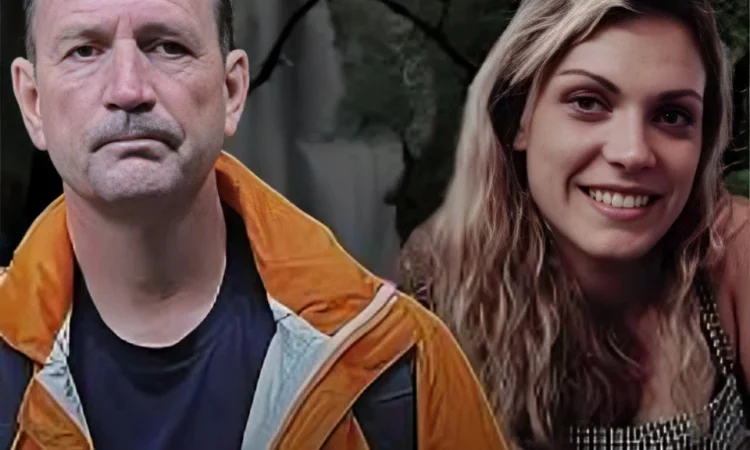
James Vlassakis: Snowtown case explained
James Vlassakis’s name is synonymous with one of the most horrific criminal cases in Australian history. The Snowtown massacres in South Australia, in which James Vlassakis participated, raise complex questions of justice, rehabilitation, and public safety that are currently under debate. Australia continues to debate his sentencing, parole eligibility and the removal of decades-old suppression restrictions, decades after the murders.
The article is about James Vlassakis, his role in the Snowtown serial killings, the legal process and the international controversy surrounding his prospective parole.
Who is James Vlassakis?
James Spyridon Vlassakis was born December 24, 1979. Influenced by his stepfather John Bunting as a teenager, he got involved in the Snowtown murders. Vlassakis was quite young at the time of the murders, but he had a history of involvement in earlier homicide cases.
Bunting was his connection to the gang and he became the most important person in his life. That influence ultimately pushed him towards violent criminal acts that shocked the nation.
Vlassakis later cooperated with police and prosecutors, unlike the other primary perpetrators. His testimony was important in securing convictions against the main culprits.
The Snowtown murders explained
The Snowtown murders unfolded in South Australia from 1992 to 1999. Although the case takes its name from the rural town of Snowtown, the majority of the killings were actually carried out in Adelaide’s northern suburbs.
The murders became known as the ‘bodies-in-the-barrels’ case. In May 1999, police uncovered eight bodies hidden inside barrels stored in the vault of an abandoned bank in Snowtown. The discovery startled Australians and rapidly became one of the most notorious crime scenes in Australian history.
A total of 11 persons were killed. The reasons the organisation chose its victims were diverse, usually personal vendettas or the twisted worldview of the perpetrators. The crimes were so horrible, the remains so well hidden, they cast a stain on South Australia that lasts to this day.
James Vlassakis has been found guilty of four murders. He was engaged in serious acts of conflict that eventually led to legal proceedings.
Court case and sentencing
In 2002, James Vlassakis was handed a life sentence with no hope of release for 26 years. The sentence was proportional to the seriousness of his crimes and his cooperation with authorities.
His evidence against John Bunting and Robert Wagner, and his co-operation with authorities, were key to the outcome. Without his evidence it would have been harder to convict the other perpetrators.
Bunting and Wagner were both given life sentences without the possibility of parole, whereas Vlassakis was allowed to seek parole after serving his minimum term. The distinction has sparked controversy among victims’ loved ones and the wider public.
Suppression orders and identity protection
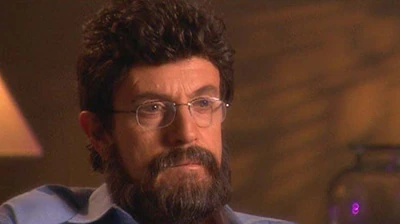
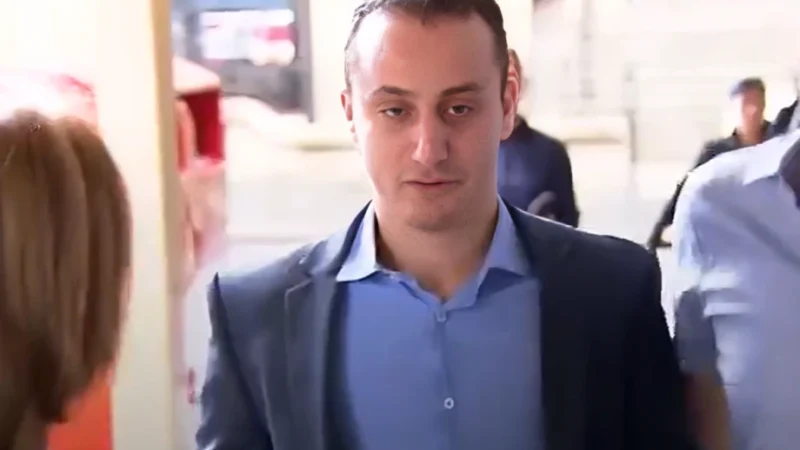
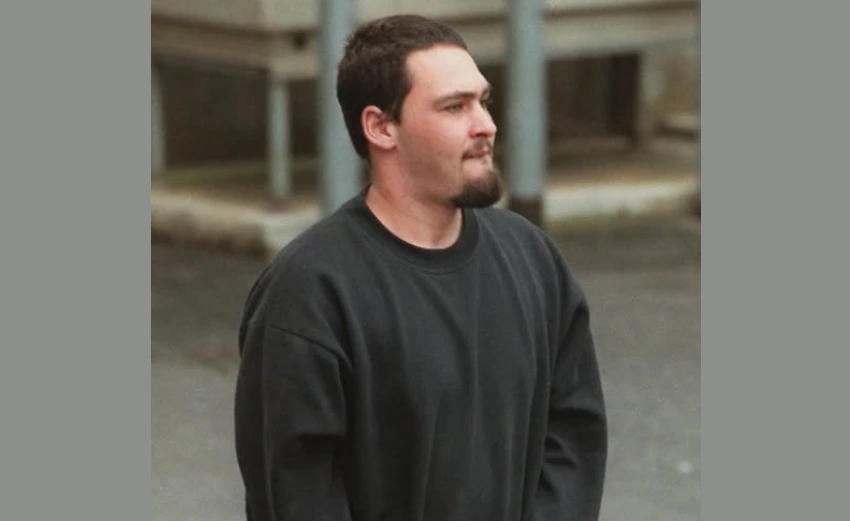
For over 20 years, strict court conditions kept James Vlassakis’ photo hidden from the public. We knew who he was, but Australians were not allowed to see what he looked like.
Most of the instructions were about safety issues. There were concerns about the risks to his life while held as a cooperating witness in one of Australia’s most high-profile murder cases.
The South Australian Court of Appeal lifted the long-standing suppression order in May 2026. The ruling permitted the media to publish a photo of him for the first time in almost 25 years. The judgement has brought up a wave of passionate emotions across the country.
Some Australians applauded the action for transparency. Others said it reminded them of the horrible Snowtown killings.
Parole controversy in Australia
James Vlassakis was eligible for parole after serving the non-parole period of 26 years. However, he was released on parole in 2025 to the dismay of the general populace.
The South Australian Attorney-General has appealed the judgement, saying the Parole Board’s decision should be revisited. The court reversed the parole ruling during the rehearing sometime in 2025.
Vlassakis remains in detention
His impending release points to a larger problem in Australia’s justice system. But what if someone who has done a genuinely awful crime is released after decades in prison? The case has sparked intense debate surrounding rehabilitation, accountability and community safety.
Impact on South Australia
The Snowtown tragedy left South Australia scarred. The crimes not only impacted the victims’ families but also influenced societal discussions about the seriousness of criminal investigations.
The example illustrated how deception and control may affect vulnerable people. Legal and social circles have subsequently discussed the structural difficulties it revealed.
For many Australians, the Snowtown case was a watershed in modern criminal history. It remains a focus of research in legal circles and a topic of discussion in parole reform and victims’ rights.
Public memory and media attention
The Snowtown Murders have been the inspiration for novels, documentaries and even a feature film over the years. The subject has remained in the public eye, thanks to ongoing media coverage, particularly when there are fresh developments in the legal arena.
A crucial element of these issues concerns the involvement of James Vlassakis, as well as his sentence structure and parole eligibility. Each law change tends to spark public debate again.
And for those younger Australians who weren’t alive in the 1990s, the case is a frightening reminder of just how horrific violence took place in suburbia.
Conclusion
James Vlassakis plays a crucial role in the investigation of the Snowtown serial murders, a dark chapter in Australian criminal history. He was jailed for life with a non-parole period of 26 years and his co-operation with authorities set him apart from his co-accused.
He was named when suppression orders were lifted and the parole matter was discussed. Australia is still coming to terms with the legacy of the Snowtown massacres and considerations about justice, rehabilitation and protecting the community remain paramount.