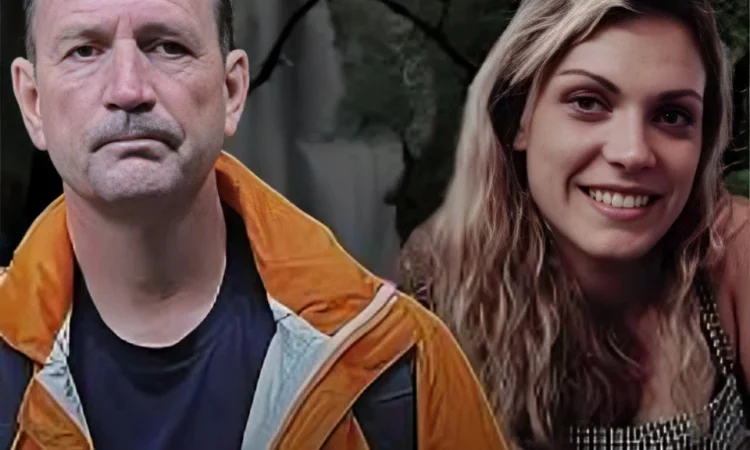
Patrick Stephenson: Ballarat murder case explained

Patrick Stephenson is facing a murder charge over the death of Ballarat mother Samantha Murphy. When Ms Murphy went missing while running in the morning in February 2024, the tragedy shocked many Australians and drew national attention. Stephenson has been charged with murder but has pleaded not guilty. The court procedures are likely to go to trial in Victoria’s Supreme Court in April 2026.
The article discusses recent developments, known facts about the judicial proceedings and the present situation of the case.
The disappearance of Samantha Murphy
On 4 February 2024, 51-year-old Samantha Murphy was reported missing after she was last sighted. She was a Ballarat East resident who headed out from her home that morning for a run through the nearby Canadian State Forest. When she failed to return as expected, her family grew worried and contacted the police.
A large-scale search operation was initiated almost immediately. Police, SES officers and community volunteers scoured the forest around Ballarat, including sites near Enfield and Buninyong. The pursuit lasted for weeks over a difficult country. There have been several attempts to find her remains but none have been successful.
The loss was tragic for the Ballarat community. Many people joined the search groups, hoping to provide answers to her family.
Arrest of Patrick Stephenson
Police apprehended 23-year-old Patrick Stephenson about a month after Ms Murphy went missing in March 2024. He was charged with murder for Ms Murphy’s disappearance.
Stephenson has been detained since his arrest. At his first court appearance, a court injunction temporarily obscured his name, but the ban was subsequently lifted.
Stephenson has denied the accusation, which is critical to note. He has entered a not guilty plea and continues to deny the allegation.
What has happened in court so far?
Patrick Stephenson has been to court several times since his arrest. The majority of these preliminary hearings focused on legal procedures, evidence preparation, and scheduling.
In serious cases like this, investigators usually gather extensive evidence to build a strong and detailed case. This can include phone data, forensic evidence, witness testimony, and other technology data. Both the prosecution and the defence require time to review this material before the trial begins.
The case is intricate, which is why it is taking so long to move forward. That is usual in major criminal trials around Australia.
In addition to the incident preceding Ms Murphy’s disappearance, Stephenson had multiple driving violations. He admitted the offence and was ordered to pay a financial penalty. However, those charges have nothing to do with the murder charge.
Ongoing investigation and searches
Even after Stephenson was accused, police continued to search the woods near Ballarat. At least once, he was taken from detention under police supervision to assist in search operations.
The search for Samantha Murphy’s body continues, but it has yet to be located. The fact that there is no body makes it much more painful for her family and friends. It also increases legal complexity since prosecutors must show sufficient evidence to prove their case beyond a reasonable doubt.
The authorities have not made all of the details of the evidence public. That is common practice when an issue is before the courts. Giving too much information could jeopardise the fairness of the upcoming trial.
Trial scheduled for 2026
Patrick Stephenson is scheduled to stand trial in the Supreme Court of Victoria on April 8, 2026. The trial is scheduled to take many weeks.
During the trial, a jury will listen to arguments and evidence presented by both sides. It is the prosecution’s responsibility to prove the allegation beyond reasonable doubt. The defence can challenge that evidence, question witnesses, and put forward its own case. Under Australian law, anyone charged with a crime is presumed innocent unless a court finds them guilty.
Impact on the Ballarat community
Samantha Murphy’s disappearance has had a deep emotional impact on the Ballarat community. She was a devoted mother who actively participated in her community. In the days and weeks after her disappearance, the community banded together.
Many people considered the case unpleasant and disturbing. Her body has never been found, and questions remain.
With the trial approaching, many in the community are looking for some clarity and closure. However, the court process can be lengthy and complicated, and the ultimate outcome cannot be determined in advance.
Why this case has drawn national attention
There are several reasons why the Patrick Stephenson case has received a lot of media attention:
- The disappearance during a routine morning run made it both relevant and alarming for many Australians.
- Extensive searches were carried out throughout regional Victoria.
- A murder charge was filed despite the fact that there was no body.
- The accused has entered a plea of not guilty, and the case will now move to full trial.
Missing persons cases frequently pique the public’s curiosity, particularly when they involve small rural areas.
What happens now?
Legal teams will continue to prepare their claims ahead of April 2026. The evidence will be thoroughly scrutinized, and if necessary, court dates will be scheduled for other administrative matters.
When the trial begins, the evidence will be revealed publicly for the first time in its entirety. In any case witnesses may be called. Experts may testify. The jury will consider all options and make a decision.
Patrick Stephenson remains in detention and continues to deny the charge until that time.
Conclusion
Patrick Stephenson’s case is still pending, and judicial proceedings are ongoing. Samantha Murphy’s disappearance has had a significant impact on both her family and the Ballarat community. At the same time, Australian law states that the accused is presumed innocent unless proven guilty.
In April 2026, the trial will reach a critical moment. There, all of the evidence will be carefully examined before a verdict is reached.