
Ita Buttrose’s illness: What is known about her health
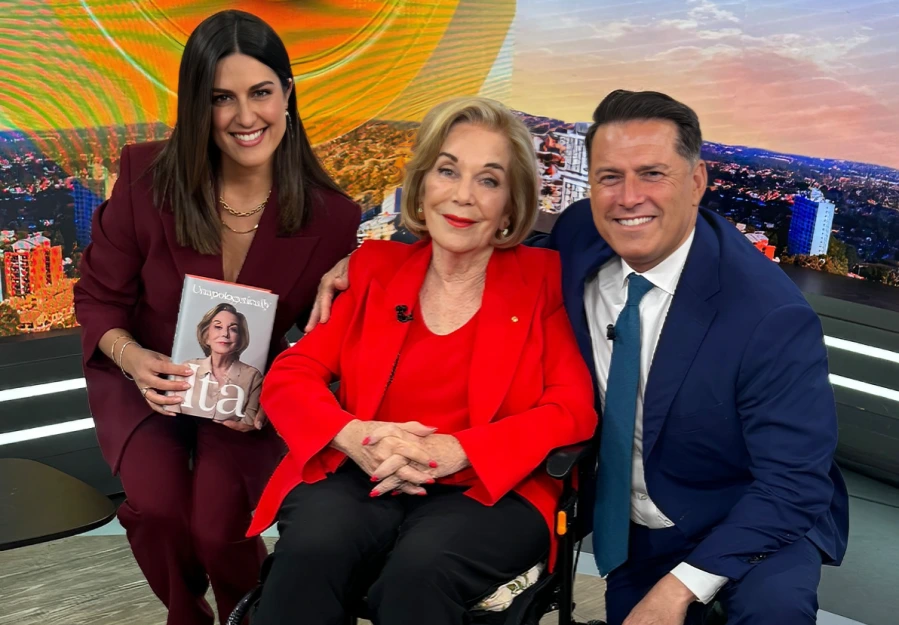
Ita Buttrose’s illness has attracted attention in Australia after the veteran journalist and former ABC chair spoke openly about the mobility condition affecting her daily life. Buttrose lives with an isolated gait disorder that makes walking difficult and has led to her using a wheelchair.
Her condition was initially described as frozen gait disorder. Although freezing of gait can be associated with Parkinson’s disease, Buttrose has stated that she does not have Parkinson’s.
What is Ita Buttrose’s illness?
Ita Buttrose’s illness is described by her specialist as an isolated gait disorder. The condition affects her ability to begin and continue walking normally, even when she knows exactly where she wants to move.
She was initially diagnosed with frozen gait disorder after experiencing unusual problems with her feet. Buttrose described situations where she wanted to walk, yet her feet seemed unable to follow the instructions from her brain.
Her back surgery
Buttrose experienced serious back problems before her gait difficulties became prominent. Severe pain affected her ability to walk, and in 2021 she underwent major back surgery involving a laminectomy and spinal fusion.
The operation initially appeared successful. She could walk without the same level of pain and used a walking stick for support. However, a different type of mobility problem later emerged.
Why does she use a wheelchair?
By 2022, Buttrose was experiencing episodes where she struggled to start walking. Her mobility problems also increased her risk of falling. She later revealed that she had suffered 12 falls during one year.
Her specialist advised her against walking without another person nearby. A wheelchair became a safer option, while an electric wheelchair provided additional independence for everyday movement.
Does Ita Buttrose have Parkinson’s?
The connection between freezing of gait and Parkinson’s has caused some confusion about Ita Buttrose’s health. However, Buttrose has specifically said she does not have Parkinson’s disease.
Her specialist now describes her condition as an isolated gait disorder. She has explained that she has not developed the other symptoms that would support a Parkinson’s diagnosis.
How has her illness changed her life?
Reduced mobility required some significant lifestyle changes. Buttrose eventually left her split-level Sydney home because stairs had become increasingly difficult to manage.
She moved into a single-level residence that better suited her mobility needs. Although she initially felt uncomfortable about needing a wheelchair, she has recognised how it helps her remain mobile and independent.
Is there a cure?
Buttrose has indicated that there is no known cure for her particular gait condition. The exact reason behind the disorder has also remained difficult to determine.
Her approach has therefore focused on managing the symptoms and reducing the risk of injury. Wheelchair use, accessible surroundings and assistance when walking have become important parts of her everyday life.
Her health advocacy
Health advocacy has been an important part of Buttrose’s career for many years. She previously served as National President of Alzheimer’s Australia and has supported awareness around dementia and several other major health issues.
She has also been Patron of Macular Disease Foundation Australia since 2005. Her connection with macular disease is partly personal because her father, Charles Buttrose, experienced age-related macular degeneration.
Ita Buttrose’s health today
As of 2026, Buttrose continues to manage her mobility disorder and uses a wheelchair. Despite these physical challenges, she has continued making public appearances and speaking openly about ageing, accessibility and living with reduced mobility.
Her health condition has not erased the remarkable public career that made her one of Australia’s best-known journalists. From founding Cleo to editing The Australian Women’s Weekly and later chairing the ABC, Buttrose remains an influential figure in Australian media.
Conclusion
Ita Buttrose’s illness is best described as an isolated gait disorder that affects her ability to walk safely. It developed after serious back problems and surgery, while her earlier diagnosis was frozen gait disorder.
The condition has required wheelchair use and significant adjustments to her lifestyle. Importantly, Buttrose has stated that she does not have Parkinson’s disease, making that distinction essential when discussing her current health.