
Patricia Karvelas’s partner and family details revealed
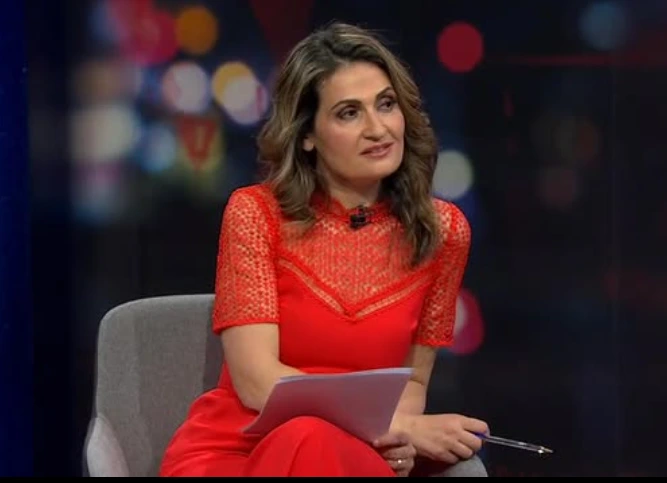
People in Australia interested in politics and current affairs have long been inquisitive about Patricia Karvelas’s partner. Patricia Karvelas is one of the country’s most respected journalists. People remember her for her calm demeanour on ABC and her insightful political discussions. However, Patricia Karvelas maintains a private life that is based on family, dedication and fortitude. This article examines Patricia Karvelas’s partner, their relationship, marriage, children and how their story reflects contemporary Australian culture.
Who is Patricia Karvelas?
It’s a good idea to learn more about Patricia Karvelas’ public life before discussing her relationship. Patricia Karvelas is an Australian journalist and political analyst who has received numerous honours. Because she works for ABC, she has a positive reputation. She used to present RN Breakfast on ABC Radio National and now hosts Afternoon Briefing on ABC News Channel.
She has written extensively on federal politics, elections, leadership transitions and major national debates. People on both sides of the political spectrum like her and her interviewing style is direct yet fair. People are naturally curious about both her family and her career, because she is well-known in the Australian media.
Who is Patricia Karvelas’s partner?
Patricia Karvelas is married to and works with Peta. They’ve been together for a long time and maintain a stable family life in Melbourne. Patricia appears frequently on television and radio but Peta avoids the spotlight.
According to some, Peta works in the arts and education but she prefers to stay out of the spotlight. Their strong bond stems from their shared beliefs, transparent communication and unwavering commitment to creating a nurturing environment for their children.
Their commitment ceremony in 2011
Patricia Karvelas and Peta held a commitment ceremony in Melbourne in 2011. At the time, Australia did not recognise same-sex marriages as legal. The ceremony had little legal significance but it served as a significant public expression of their relationship.
The event demonstrated both personal dedication and quiet fearlessness. During that period, same-sex couples throughout Australia were trying to encourage others to recognise them. Many of them held similar ceremonies to officially establish their partnerships in their communities.
Legal marriage after 2017 reform
Following a nationwide postal survey, Australia legalised same-sex marriages in December 2017. Patricia Karvelas and Peta, like many other couples who had previously completed commitment ceremonies, later legalised their marriages in Australia.
Their daughters were present to witness their legal marriage, making it a family celebration. The moment was more than simply a personal thrill; it also represented progress in Australian society.
Patricia Karvelas’ husband saw the official recognition of their marriage as proof that they were legal equals and that their long-term love was genuine.
Family life and motherhood
Patricia Karvelas and her boyfriend have two girls. Their children were allowed to join the family because they planned ahead of time and ensured that everyone shared the same values of trust and respect.
Patricia has spoken openly about how difficult it is to be a mother and how she balances her hectic career in the media with her parenting responsibilities in interviews. People believe that their home environment is stable and grounded, even though public life can be stressful.
Some essential aspects of their family life include:
- They prioritise emotional support and communication skills
- As parents, we share responsibilities
- They promised to help their daughters grow up strong and proud
- Making your home a safe place to be away from other people is crucial
Patricia Karvelas’ boyfriend is a recent example of how Australian households differ.
Navigating public attention
Patricia Karvelas is a well-known journalist; therefore, people pay special attention to her. Sadly, some of that attention has resulted in online harassment and hateful comments. Australian peoples, particularly women and LGBTQIA+ individuals, may receive a lot of negative news.
Patricia and her boyfriend have maintained their secrecy and strength while dealing with these issues. They have been careful and respectful in their actions. By living openly, they help same-sex families gain notice in the Australian media.
Openness about identity
Patricia was first reluctant to discuss her sexuality, particularly when working in Canberra’s press gallery. Many journalists were concerned about how it would affect their jobs at the moment.
But over time, she’s become more honest about herself and her relationships. This shift is indicative of broader changes in Australian culture, as LGBTQIA+ people become more visible in public life.
Patricia Karvelas’ partner and family are open about their relationship, which makes diverse types of families appear normal. It also makes young Australians who don’t know who they are feel better.
Balancing career and private life
Australians frequently ask Patricia Karvelas’ partner how they manage to work while also raising children.
As a political journalist, you often have to get up early, stay up late and constantly have news to report on. Still the couple prioritises family time and stability. To maintain balance, everyone must share responsibility and have support systems.
Conclusion
Outside of work, Patricia Karvelas’ husband, Peta, is an important part of her life. Since their commitment ceremony in 2011 and formal marriage following Australia’s marriage equality reform, their relationship has been strong and dedicated. They are both parents to two girls in a loving and supportive family.
For Australians who like Patricia Karvelas’ work as a journalist, learning about her relationship enhances the story she presents in public. It demonstrates not only personal dedication but also significant social growth in Australia. Their path demonstrates how love, equality and strength are appreciated in contemporary Australian society.