
How mobile apps are changing everyday life in Australia
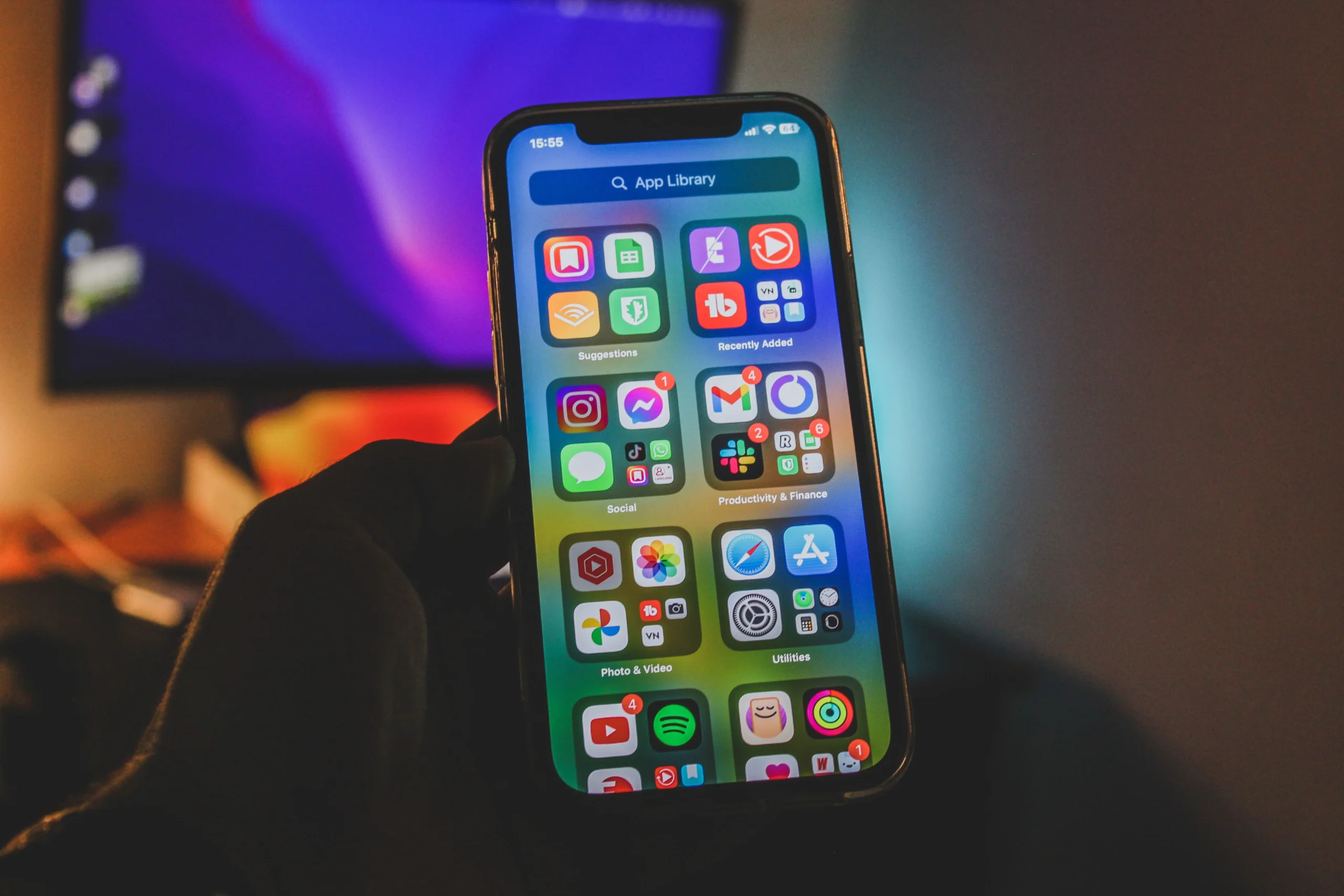
A few years ago most people would open a website to shop online, pay a bill or look anything up. Today, that habit is evolving. Mobility apps are becoming increasingly popular among Australians since they make routine chores feel faster, easier and more convenient.
From ordering dinner and checking a bank balance to planning a holiday or watching a favourite TV show, mobile apps have become part of everyday life. Businesses have also recognised this shift and are investing more in app development as consumers increasingly expect fast, convenient and personalised digital experiences.
Australians are living on their phones
The majority of Australians use a smartphone during the day. People use their phones on their way to work, waiting for a coffee, on the couch or even during a little lunch break.
That’s why companies are building services that integrate effortlessly into mobile lifestyles. Many organisations now have apps that make ordinary chores faster and more convenient instead of asking customers to go to a website every time they need something.
The same trend is evident across online entertainment. Many people like to play at online casino Australia on mobile since the experience is optimised for smartphones, so it’s easy to get to the games and account features from anywhere.
Speed matters more than ever
One of the biggest reasons apps have become so popular is simple—they’re fast.
Once loaded, an app can keep information on your phone, so it doesn’t have to reload everything every time you use it. That means less hanging around and more getting things done.
Nobody wants a load screen. The whole procedure feels more fun when it’s speedier, whether you’re checking your bank account or putting an online buy.
Apps remember what you like
Great apps do more than simply get the job done. They can also learn what users prefer.
Shopping applications remember your favourite purchases. Streaming services suggest new shows depending on your viewing history. Food delivery apps remember your favourite restaurants, making repeat orders quick and straightforward.
Rather than having to start from scratch each time, users may pick up where they left off. These small conveniences save time and make the experience feel more personalised.
Notifications keep people up to date
Unlike traditional webpages, apps can send notifications directly to your phone.
Instead of going to a site multiple times during the day, visitors get updates as soon as something relevant happens.
You might get a notice that reads:
- Your package is being delivered today
- Your flight has been altered
- There has been a payment
- Your reservation is confirmed
- A popular item is back in stock
The rapid update means users can remain organised without constantly checking their accounts.
Better security gives users confidence
With more of our personal information kept online, Australians are becoming more aware of the need for internet security.
Many mobile apps now use fingerprint login, face recognition and two-factor authentication. These features not only enhance security but also are considerably faster to sign in than typing long passwords every time.
These technologies have been adopted by banks, healthcare providers and government organisations, making people feel more comfortable managing vital information on their phones.
Mobile shopping feels effortless
Shopping habits have changed dramatically over the past few years.
Rather than sitting down at a computer, many people browse products on the go, whether they are using public transport or simply relaxing at home.
Retail apps make the experience simple. Payment details can be stored securely, past orders are easy to locate and checkout takes less than a minute.
Mobile entertainment
Apps have also transformed how Australians entertain themselves.
People can stream movies while travelling, listen to podcasts during a morning walk and watch live sport from almost anywhere.
Modern lifestyles suit the flexibility of mobile entertainment. Australians may consume content when it suits them instead of having to schedule their time around a desktop computer.
Smartphone technology also continues to improve, allowing modern devices to perform tasks that once required a computer.
Mobile-first is the new business approach
Today when organisations launch new digital services, they typically design for smartphones first.
This “mobile-first” approach reflects the reality of how customers use the Internet. A user will want to come back to an app if it is easy to navigate on a small screen.
Developers emphasise clear menus, big buttons, fast loading times and simple checkout processes. These things are really important for consumer happiness.
Apps work well with other technology
Apps also continue to be popular because they easily integrate with other features on contemporary devices.
Navigation apps can provide you real directions using GPS. Banking apps partner with digital wallets. Smartwatches connect to fitness applications to monitor daily activity and travel apps automatically record ticket details and boarding permits.
These connections save time and reduce the need to switch constantly between different services.
Websites still play a vital role
Apps are becoming more and more popular but traditional websites haven’t gone away.
Many customers still use websites to check products, compare prices and read in-depth information. Websites are also useful when people are using shared computers or devices where downloading an app does not make sense.
For most businesses, a successful website with a well-designed mobile app is the best of both worlds.
The future is becoming increasingly mobile
Mobile apps are certainly going to change the way Australians use the internet.
Faster mobile networks, more intelligent gadgets and improvements in artificial intelligence make apps more and more powerful every year. Whether people are banking, shopping, travelling or enjoying entertainment, they increasingly expect digital services to be available whenever and wherever they need them.
Websites will continue to have an important place, but for millions of Australians, mobile apps have become a preferred option because they fit naturally into everyday life. They’re faster, more convenient and built on how people really use technology today.
As digital habits continue to evolve, the next generation of online experiences will likely be tailored to meet the needs of mobile consumers.