Shannon Althouse: Crime, prison and change
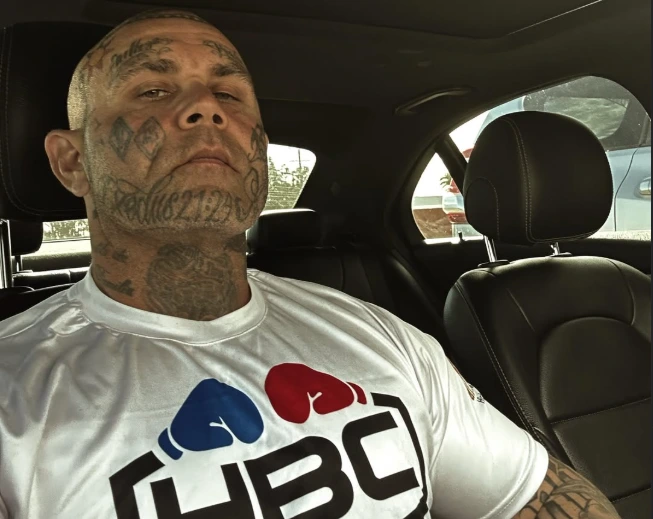
Shannon Althouse is well-known throughout Australia for his past as a Rebels bikie and the dramatic turn in his life that followed. His story is more than a crime or a jail. It’s about being in a tough environment, making major mistakes, facing the consequences and deciding to change. Shannon Althouse is both a warning and a source of hope for many Australians, particularly young kids in danger.
Early life in the Northern Territory
Shannon Althouse is from Darwin, Northern Territory. His youth was marked by violence, instability and a lack of significant support. Like many young guys in difficult situations, he sought a sense of community and stability. That research led him into the world of criminal motorcycle clubs.
He spent his boyhood with members of the Rebels motorcycle club. Eventually, he really embraced the lifestyle. The Rebels are one of Australia’s largest bikie clubs, and membership typically involves strict allegiance rules and a strong “us versus them” mentality.
Shannon Althouse considered the club like a family. This involvement also pushed him deeper into criminal activities.
Rising through the Rebels ranks
Shannon Althouse was not an ordinary member. He advanced to serjeant-at-arms in the Darwin chapter. This was a position of extreme responsibility. It was about upholding club rules and resolving problems. It also put him in the centre of violent conflicts.
Shannon spent those years dealing with a severe methamphetamine addiction. Drug use dominated that world, fuelling rage and poor decision-making. His life was a never-ending cycle of club loyalty, increasing drug use, and violence.
The 2016 machete attack
Things took a scary turn in 2016. Following another bikie’s catastrophic injury in a separate incident, Rebel members planned a revenge strike. Shannon Althouse was involved in planning and carrying out the attack.
The group, armed with machetes and axes, searched for a man they believed to be linked to their adversary. They had attacked the wrong man. The victim suffered serious bodily injuries and long-term suffering.
Shannon Althouse was eventually convicted of assault-related charges. He was condemned to a lengthy prison term by the court. This started after a long spell in prison.
A near-death experience
Shannon Althouse was hit by a car the same year during a violent bikie brawl. He was terribly injured and nearly died. It left him physically damaged and mentally devastated.
For many people, these times may be a wake-up call. Shannon had a strong bikie outlook at first. However, incarceration provided him with more time to reflect than he had ever had.
Time in prison and personal change
Shannon Althouse spent over ten years in prison. He began to softly reflect on his internal decisions. He started reading about mindfulness and Buddhism. These thoughts enabled him to manage his rage and recognise the damage he had caused.
The most significant transformation occurred when he began assisting other inmates. Many criminals were unable to read or interpret legal documents. Shannon spent his time clarifying papers and guiding younger males through court procedures.
It took a long time to go from anger to support. It did not erase his past, but it did influence his future direction.
He also worked hard to avoid narcotics. He was dedicated to overcoming his methamphetamine addiction, which was not easy. Maintaining his sobriety became an essential component of his recovery.
Leaving the Rebels behind
When Shannon Althouse was eventually released from prison, he made an easy decision. He was not returning to the Rebels or the bikie lifestyle. It’s not easy to leave that world. Outlaw groups are heavily focused on loyalty and reputation.
However, Shannon did not go that route. He focused on community service and mentoring. He recognised that young people joined gangs for the same reasons he did: affiliation, identity and protection.
He doesn’t preach; he shares his experience. He speaks openly about violence, imprisonment and addiction. He doesn’t make it seem glamorous. He discusses terror, the loss of freedom, and the harm to families.
Work with young Australians
Shannon Althouse is currently working in mentoring and youth programmes, particularly in the Northern Territory. He has supported boxing programmes and community groups that teach young people structure and discipline.
Sport, particularly boxing, has served as an effective release. It teaches self-discipline, respect, and resilience. Shannon claims she uses these initiatives to acquire the trust of young men who may already be on a dangerous path.
Many in the community saw his story as proof that change is possible. Some are more hesitant, given the gravity of his previous actions. Both answers are fairly clear.
What Shannon Althouse’s story means for Australia
“The case of Shannon Althouse reflects broader challenges in Australia. Several states continue to be concerned about teenage criminality, drug addiction, and outlaw motorcycle clubs. His life highlights how vulnerable a young person is to getting involved in organised crime when support services are inadequate.
However, his shift serves as a reminder of the importance of rehabilitation. “Prison does not rehabilitate behaviour. A combination of personal responsibility, leadership, and community service.
Shannon Althouse’s story sends a message to young Australians, particularly those in regional and isolated areas. The bikie lifestyle may provide power and fraternity, but it frequently results in bloodshed, imprisonment, and long-term damage.
Conclusion
Shannon Althouse’s life has progressed from Rebels bikie serjeant-at-arms to youth mentor and community advocate. His past is unalterable. He still has some dark chapters in his past, including the machete assault in 2016 and the jail sentence.
Yet, in his recent work, he demonstrates that metamorphosis is feasible. For many Australians, Shannon Althouse’s journey serves as a warning as well as a sign that change is possible. It shows that while our decisions shape our future, we still have the ability to turn things around and build a better path.