Kelly Wilkinson case and its lasting impact in Australia
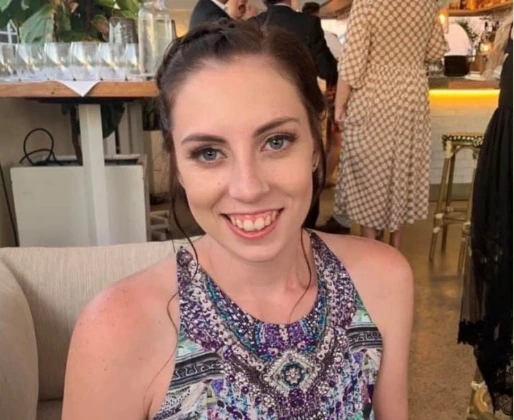
Kelly Wilkinson has emerged as a key figure in Australia’s national discourse on domestic and family violence. Her narrative is not about fame or public ambition. It tells the story of a young Australian mother who was brutally murdered despite numerous attempts to seek aid. For many Australians, Kelly Wilkinson represents how urgently we need stronger processes, better listening and meaningful action when women ask for help.
This page discusses Kelly Wilkinson, what happened to her and how her legacy is still influencing public awareness and reform in Australia.
Who was Kelly Wilkinson?
Kelly Wilkinson was 27 years old and resided on the Gold Coast of Queensland with her three children. Family and friends described her as warm, compassionate and passionately committed to her children. People who knew her well described her as strong and resolute, particularly in the months leading up to her death, when she worked hard to make her and her children’s lives safer.
Kelly was not a well-known figure when she was alive. But after her death, her case raised significant concerns about identifying and addressing domestic violence risks, making her name well-known throughout Australia.
Early life and family background
Kelly came from a well-knit family in Australia and was quite close to her siblings. Family members have commented on how witty, loyal, and caring she was to her children. Being a mother was an important part of her identity, and her daily existence revolved around caring for and protecting her small family.
Danielle Carroll, Kelly’s sister, has now become one of the most prominent individuals to discuss Kelly’s life and the choices that led to her death.
Marriage and relationship history
Kelly began dating Brian Earl Johnston throughout her late teens. The couple fell in love quickly and eventually married and had children. The relationship deteriorated over time and family members later described the attitude as controlling and hostile.
Kelly decided to quit the relationship after years of troubles. She returned to Australia and began the process of officially separating, hoping to make things safer for herself and her children.
Seeking protection and warning signs
Kelly Wilkinson actively sought help from the police in the months preceding her death. She requested and received a domestic violence order, indicating that she feared for her safety. She informed them of violations of the order and expressed concern that the threats may escalate.
Even after completing all of this, the system failed to provide her with the necessary level of safety. Later, her narrative raised serious concerns about how risk assessments are conducted and how victim complaints are handled when there is a threat.
The murder of Kelly Wilkinson
Kelly Wilkinson was slain at her home in Arundel, Gold Coast, in April 2021. Her estranged husband hit her purposefully and severely. Neighbours witnessed parts of the event and the specifics shocked people across Australia.
Kelly’s death not only devastated her family and children, but it also shocked the entire town. Many Australians wondered how a woman who had taken legal precautions to protect herself could be so vulnerable.
Court outcome and sentencing
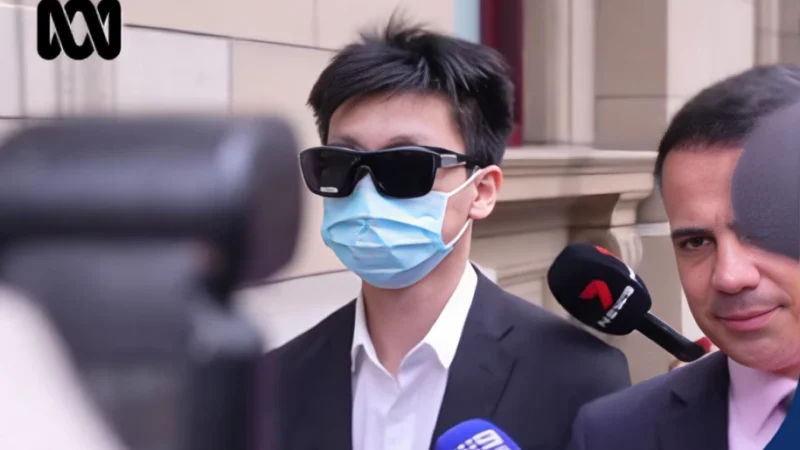
Brian Earl Johnston admitted killing Kelly Wilkinson in 2024. He received a life sentence, although he could not be released for at least 20 years. The court that condemned Kelly stated that the crime was extremely severe and caused tremendous anguish for her and her family.
During the sentencing hearing, victim impact testimonies demonstrated how much Kelly’s children and loved ones will suffer for a long time.
Coronial inquest and system scrutiny
Following the criminal case, a coroner’s inquest was held to investigate the events that led to Kelly Wilkinson’s death. The inquest investigates what the police and other authorities did and decided before the murder.
The purpose is not just to determine what went wrong but also to devise strategies to prevent similar disasters from occurring again. The enquiry is a crucial opportunity for many Australians to hold people accountable and effect change.
The Kelly Wilkinson Foundation
Kelly’s family established the Kelly Wilkinson Foundation after her death. The organisation assists children and families affected by domestic violence homicides by providing emotional, practical and financial support.
The Foundation differs from many other organisations that primarily focus on prevention by assisting people who have experienced domestic abuse. This is because children and families sometimes struggle for years after a disaster. The foundation ensures that Kelly’s story continues to have an impact by speaking up and engaging others in the community.
Why Kelly Wilkinson’s story matters to Australians
Kelly Wilkinson’s story is a prime example of how domestic abuse may worsen even when victims seek help. Her story exemplifies how many Australians today see major issues with protection, communication and risk assessment.
Kelly’s legacy reminds Australian communities that domestic abuse is not a private matter. It is a societal issue that requires continual assistance, accountability, and reforms in the legal, policing, and social sectors.
Conclusion
People remember Kelly Wilkinson not for how she died, but for the life she lived and the children she cherished. Her family fights for her and a nonprofit named after her honours her legacy.
For many Australians, remembering Kelly means promising to listen more, protect victims better and ensure that when someone asks for assistance, they receive it immediately rather than having to deal with tragedy.