Jasmine Wilmott case: Tragic death that shocked Australia
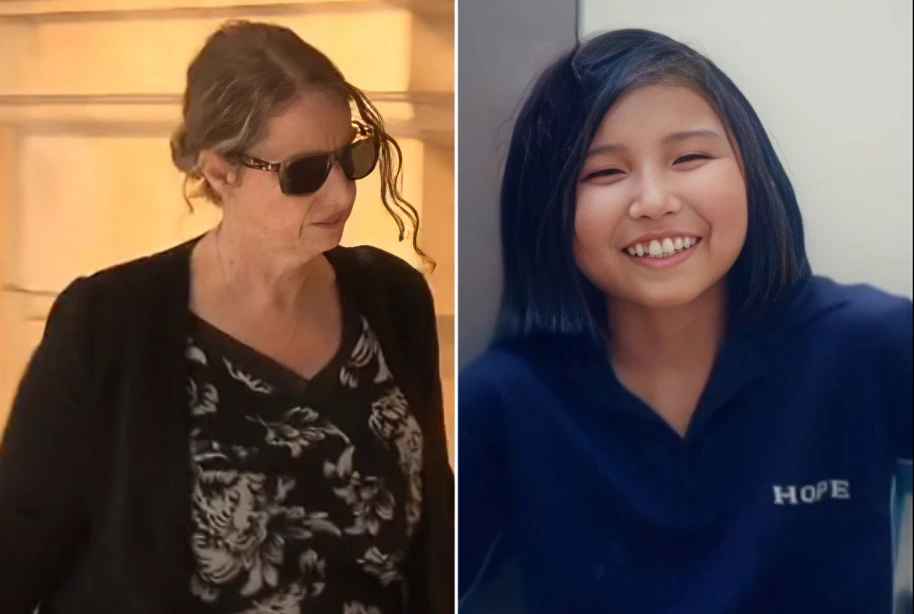
The death of 15-year-old South Australian girl Jasmine Wilmott is among the most distressing child welfare cases that Australian courts have heard in recent years. She has been the focus of intense legal scrutiny since her suicide in October 2018, and her mother has been accused of manslaughter, assault and criminal neglect.
This case has had a significant impact on Australia, posing challenging but important issues regarding mental health awareness, community accountability, parental responsibility and child protection systems.
Who was Jasmine Wilmott?
Teenage Jasmine Wilmott resided in Flagstaff Hill, South Australia. Friends and classmates later described her as quiet, disturbed and often afraid to return home. Jasmine committed suicide at the age of 15, shocking both her school community and the Australian public at large.
Jasmine’s death was seen as the terrible result of years of alleged abuse. Based on the presented evidence in the court, the prosecution argues that Jasmine’s apparent underweight condition at the time of her death is consistent with long-term neglect.
Allegations of abuse and neglect
The prosecution claims that before her passing, Jasmine went through years of emotional abuse and neglect.
The following are some of the charges brought before the court:
- Was often not given enough food.
- Went to school hungry and malnourished.
- Was forced to perform a lot of housework
- Lived in small spaces and felt isolated.
- Appeared at school with bruises and wounds regularly.
- Claimed that if she discussed her family life openly, she would be punished.
Classmates testified that Jasmine sometimes resorted to eating food from rubbish bins at school, a detail that has deeply unsettled many Australians following the trial.
Warning signs at school and in the community
One of the most terrible things about the Jasmine Wilmott case is the presence of visible warning signs. Former classmates and witnesses described Jasmine as someone who spoke about being “treated like a slave”, appeared anxious and withdrawn, regularly showed signs of physical injury, and expressed hopelessness about her future. Despite these indicators, she was not saved by timely and effective intervention. This has led to a lot of people thinking about how authorities, communities, and schools handle children who are at risk.
The legal case against her mother
Jasmine’s mother, Jenni Gaye Wilmott, has asserted not guilty to each charge. Without a jury, the South Australian Supreme Court is hearing the case. The prosecution claims that Jasmine’s mental state was severely harmed by her long-term pattern of abuse and neglect, which included deprivation of food, safety and emotional support. The defence has denied these accusations, claiming that Jasmine’s injuries were accidental and that there was no intentional harm. In the end, the court will decide whether criminal responsibility can be established.
Why Australians should care about this case?
1. Child protection failures
After this case, more people started to raise questions about Australia’s child protection systems. Many Australians want to know if early involvement could have changed the outcome and how a similar situation would be in the future.
2. Youth mental health awareness
Adolescent suicide remains a major issue in Australia. Long-term emotional abuse, neglect, and isolation can negatively impact mental health, particularly in young people who feel powerless to alter their circumstances, as Jasmine’s story illustrates.
3. Community responsibility
Everyone, including institutions, neighbours, and educators, plays a role in safeguarding children. This case has rekindled conversations about mandatory reporting, monitoring children, and most importantly, taking action when warning signs emerge.
Ethical reporting and respect for Jasmine’s memory
Australian media coverage of Jasmine Wilmott’s death has largely avoided discussing the suicide method in accordance with reporting guidelines. This tactic protects Jasmine’s dignity while reducing the risk of harm to readers who are in danger.
Her story serves as a reminder of the true human cost of neglect and silence rather than being told for shock value.
Conclusion
Jasmine Wilmott’s untimely death serves as a warning about the consequences of ignoring abuse, neglect and mental illness. As her case moves through the legal system, it has already had a lasting impact on conversations about mental health and child safety in Australia.
Her story encourages Australians to listen more intently, pay closer attention and take more decisive action when a child’s welfare is in jeopardy. To honour Jasmine, we must work to ensure that no other young person experiences such a sense of helplessness and abandonment.